A new HVAC survey finds customers are open to practical AI tools, but many still want a person involved in service decisions. Contractors can use automation for routine tasks while keeping clear ways to reach a human.
A closed contractor left one homeowner without a promised maintenance visit or a refund. Service businesses can reduce confusion by making payment, coverage and closure plans clear to customers.
Recent cases in Ohio, North Carolina and Connecticut involve alleged unfinished work, roof damage and unreported workers. Owners can use the cases as a prompt to check how jobs, insurance and payroll are documented.
A roofing company owner says checking airflow can help crews spot problems that a new roof alone will not fix. A clear inspection process can also help explain the work to homeowners.
The federal deduction ends for projects that begin after June 30, 2026. Mechanical and sheet metal contractors may still help clients claim it, but job records and design work can decide who qualifies.
HVACR distributors reported their strongest back-to-back sales growth in four years. The gain may reflect weather as much as demand, so owners should plan capacity without assuming the trend will last.
Missing parts, extra orders and time spent searching can eat into a contractor’s day. A small, crew-led stock check can help keep jobs moving and costs clear.
HARDI warns that some R-410A units may not meet federal rules. A quick records check can help HVAC contractors avoid equipment they cannot legally use for a full system replacement.
Contractors doing public work in New Jersey will need to show that each journeyman meets a new training or experience standard. Owners have time to prepare, but worker records and subcontractor terms may need attention now.
A lawsuit is opening a window into how one insurer handled roof claims. Roofers can use the case as a reminder to document damage, scope, approvals, and customer costs before work starts.
Wind hits roof corners and edges harder than the center. Roofing contractors should check product ratings, code rules, and warranty terms before they bid or build the perimeter.
Karter Otte started out repainting faded parking stalls by hand for extra money in college. Two years later, his striping business did six figures in one summer.
Alec Calzada wanted to be a cowboy, then a cartoonist. He grew up to be both in a way: riding his own path, drawing worlds on paper, and then building them for real. It all started with the cheesiest photo he'd ever seen.
Two jobsite checks found roof crews working without fall protection and other safety controls. Owners can use the case as a checklist before the next crew climbs a ladder.
More students are choosing hands-on career training. Service business owners can help shape that training and meet workers before they enter the job market.
Insurance delays and disputes can leave a roofer waiting after the work is done. Owners should make clear that the customer owes the bill, even when insurance pays less or pays late.
GoodLeap's new HVAC Lease program helps homeowners and contractors by providing predictable payments and maintenance. This program can strengthen customer relationships and improve service outcomes.
Luke Holle is the owner of Superboy Construction, a Lincoln tile company. He started it with one truck and finished the 763,000-tile Pershing mural this summer.
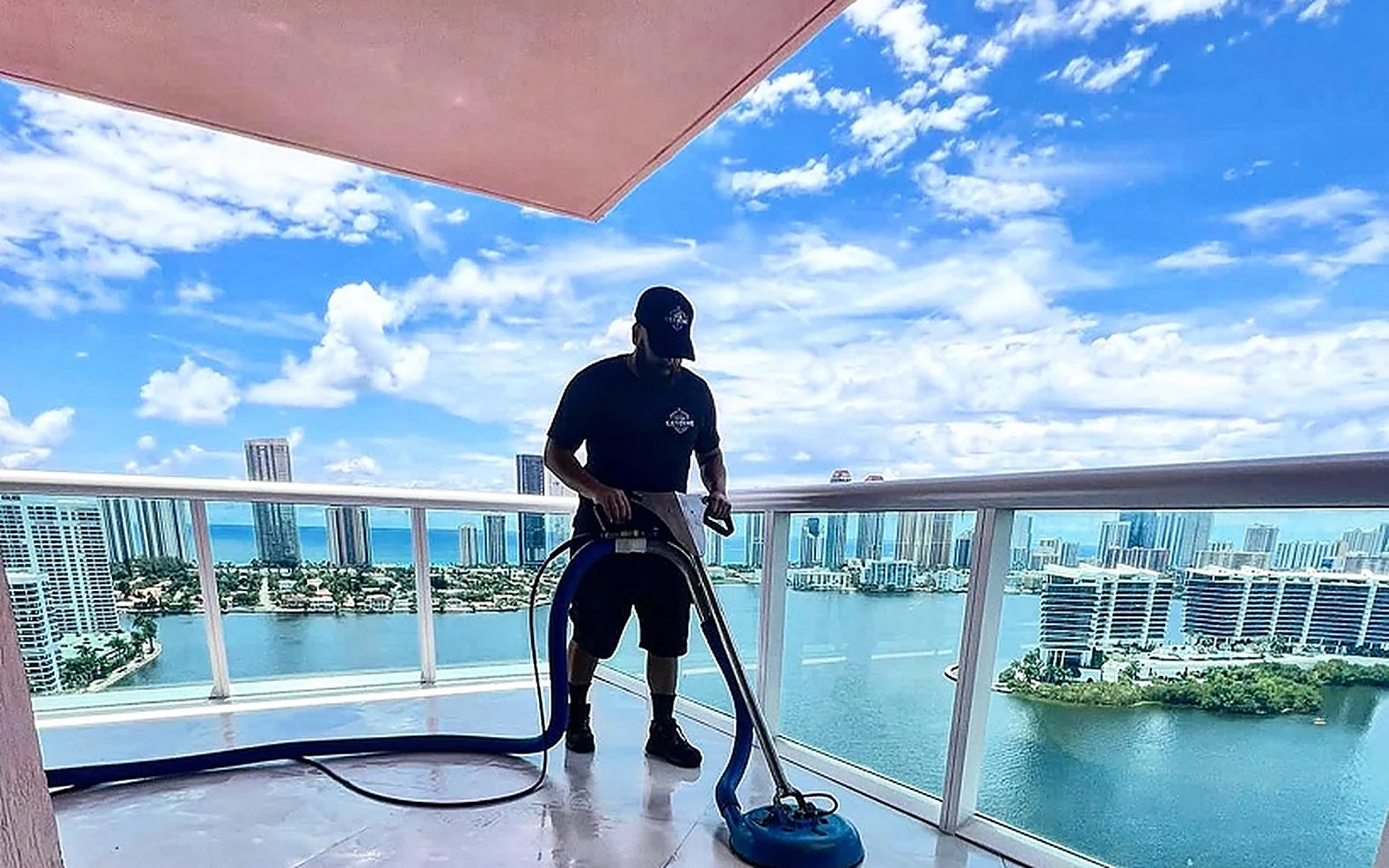
Tony Gomez started Extreme Steam in 2000 with one truck. Twenty-five years later he still runs the wand, his wife Gaby runs the office, and repeat customers still get their free bottle of Spot Out.