The Cowboy Who Designs and Builds Homes That Last
Alec Calzada wanted to be a cowboy, then a cartoonist. He grew up to be both in a way: riding his own path, drawing worlds on paper, and then building them for real. It all started with the cheesiest photo he'd ever seen.
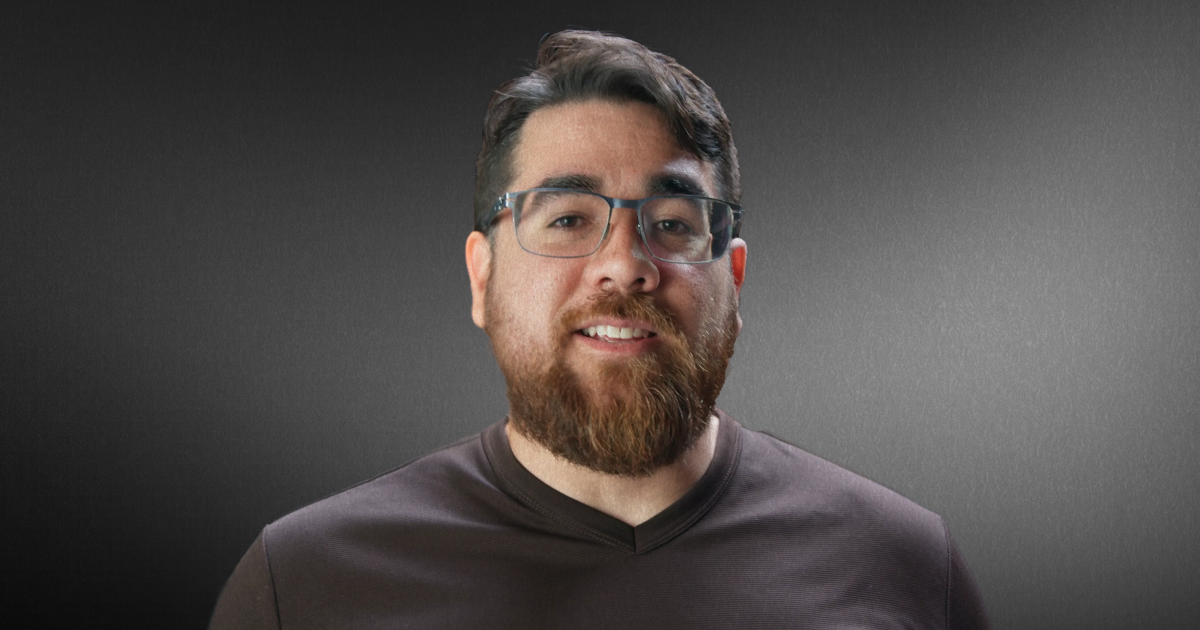
Brochures were spread out on the table, and Alec Calzada was waiting for something to jump out at him.
Senior year. His mom had brought home a stack of them, colleges she hoped one might stick. Alec flipped through, page after page, until one stopped him. A business program. And on the cover, what he now knows are the cheesiest stock photos ever printed: young people in suits around a coffee table, pens pointed at legal pads, smiling seriously at each other about nothing.
For reasons he couldn't have explained, those photos hit him like a lightning bolt. They felt important.
"I want to be that guy in one of those suits," he remembers thinking. "That just looks so cool and so fun."
He toured the campus. He stayed overnight, and he had the best night of sleep of his life. In the morning, there was nothing left to deliberate.
"This is it. This is it. This is where I'm going to come."
His family was a little taken aback. There were other schools to see. But Alec had already seen what he needed to see.
The Cowboy Thing
Before the suits, there were two other routes he wanted to take.
As a little kid, Alec wanted to be a cowboy. One of those roving Clint Eastwood types, out on the open range, answering to nobody. Later, because he'd always been creative, the dream shifted to cartoonist. A kid at a desk, drawing worlds into existence.
Neither one came true exactly in the way he’d thought of. But they both came true at the same time. Ask anyone who owns a business: there's no life left in America closer to the cowboy than being an entrepreneur. Your own path, your own risks, a wild ride with nobody holding the reins but you. And cartoonist? Alec spends his days at a drafting table with vellum and a pencil, sketching worlds that don't exist yet.
The difference is that his “cartoons” get built into the real world, impacting real people.
In college, Alec started a few businesses before landing on designing and building houses, he started with a sticker company, then a motion graphics studio. They didn’t pan out but each one taught him lessons that would carry into his future ventures.
Before starting another business, he wanted to get some more experience. So he went and got it. An apprenticeship under an architect taught him drafting and design, a real craft, rep after rep.
Then something happened. Clients kept asking for Alec specifically. Not because he was the flashiest designer in the room, but because he listened. He said yes. He took on permits, the county, the plan checkers, the inspectors, all the bureaucracy that makes a homeowner's eyes roll back in their head, and he handled it without complaint. He did the boring stuff. It was invaluable.
In 2021, it was time. Alec decided to finally venture out onto his own. Clients followed him out the door on day one. What he does now?
"I design houses, and then I build them."
What The Guys In The Suits Were Doing
Years into running his own company, Alec finally solved the mystery of the stock photo.
Think about the scene. Three or four business people, away from their desks, gathered around a coffee table in some corner of the office. They're not reviewing an invoice. They're not troubleshooting a project. If they were, they'd be at a computer, pointing at a screen.
"They're having a strategic meeting," Alec said. "They're talking about the business itself. The systems and processes. What it's doing and where it's going."
That, it turns out, is the part of business Alec loves most. Not the everyday minutiae, but the architecture of the thing itself. He describes a business the way he'd describe a building: a designed system, people and materials arranged into a machine that interested people walk into and happy people walk out of.
"That high-level process architecture, mapping what the business really and truly is. That's exciting. That's fun. And I fight for time to spend doing that."
Fighting for it is the honest phrase, because the everyday work never stops asking for him. His answer is the same one he gives to a house: design it deliberately. Set the North Star and hold the why, so his team can handle the how without waiting on his approval. Push decisions outward. Build the company so it needs less of him, not more.
"The decision to start is the hardest decision you're ever going to make as an entrepreneur," he said. "The moment you make it, the rest of the decisions become smaller, little bits of that same decision over again. Every time you decide to improve or change anything, you're reinforcing it. Yes, I'm an entrepreneur. Yes, this is what I do."
And in the meantime, the plan is simple to say and hard to do.
A House Can Be Built In A Week
Here's something Alec knows firsthand that almost nobody believes: a house can go up in a week. He helped do it.
Years ago, he worked as an overnight project manager on a television home makeover build. A duplex, 2,500 square feet per side, starting from a bare concrete slab on a Sunday. By the following Sunday, it was finished. And the wild part is that nothing about the construction was exotic. Standard framing. Drywall. Siding. A normal house.
The magic was all in the front. Instead of spending months building, the team spent months planning: organizing, sequencing, lining up every trade, and getting every crew genuinely excited to prove what they could do. Then they executed all at once. Plumbers, electricians, and HVAC crews shared the same rooms at the same time, over a dozen guys per trade, and the whole site ran on pride.
"This was the Super Bowl of construction," Alec said. "And that's the way they treated it."
He walked away with a conviction most builders never get the chance to earn: the timeline everyone accepts as normal is not a law of nature. Design the process better, and the process gives you back time and money. The same insight he applies to houses and companies, applied to construction itself.
The Picture He's Drawing Now
Which brings us to the picture Alec is building toward next, and it's the biggest one yet.
He's designing a series of homes he calls the Exodus homes. Every choice runs deliberate and deep. They're designed to last 250 years, no matter who lives in them. Timeless materials, stone and wood. Unlacquered brass on everything you touch. Tall windows, proud front doors, proportion and symmetry, the kind of beauty that architecture has always known how to deliver.
"Some places really just lift your spirit when you walk inside," he said. "It's a different experience entirely. It takes your mind someplace different and better."
The floor plans have opinions. There's no place for a TV, on purpose. Instead there are what Alec calls collision spaces, rooms designed to make a family run into each other during the day instead of retreating to private corners. Bedrooms share bathrooms, even the parents'. It's a little inconvenient. That's the point. A house shapes the family inside it, and Alec is designing for togetherness the way other plans design for privacy.
The impact that this could make could change how families grow up together. How the entire community of Lincoln could change. It’s the bedrock and foundation to a better community. Where a family gathers and communicates with each other. It matters. Every single detail.
Alec recently presented a design to an older couple adding onto their home. The wife looked at the drawing of her own house, transformed, and started to cry. Then she hugged him.
"It's so cool to impact people's lives in a permanent way," he said. "I don't need my name on it. I just got to be a part of that."
The Last Question
I asked, "If we both passed away today, what's the message you'd leave with the younger generation of entrepreneurs, the people who want to make a change in the world, who see a better future?"
Alec:
"If my son were here, and this was the last time I could talk to him, I'd probably say this."
"Your life is not about you. It's about someone else. It's always been about someone else. If you want to be truly happy and have peace in your life, you need to find that place within yourself where you can pour yourself out. Empty yourself out, so that someone else can fill you. That's the greatest thing you can do. If everyone could do that, the world would have total peace."
“Will the good of others,” he said. “Serve your family through your work. Serve your clients by actually wanting what's best for them, because that's when you do your best work.”
"The great paradox of life is that for you to be truly happy and be at real peace, it has to all be about someone else's happiness. Someone else's peace."
"Time lost, talents unused, and good omitted are the greatest sins an entrepreneur can commit. To lose your time, to not use your talents to your best ability, and to deliberately withhold a good service or a good product from a customer. That's the worst thing an entrepreneur can do."
Questions People Ask
Who is Alec Calzada?
Alec Calzada is the founder of a design-build firm in Lincoln, Nebraska. His company designs custom homes and builds them, handling everything from drafting and permits through construction.
What does a design-build firm do?
A design-build firm combines two roles that are usually separate: the designer who draws the plans and the general contractor who builds them. One company from design through construction means fewer handoffs, fewer conflicts, and one team responsible for the result.
What are the Exodus homes?
The Exodus homes are a series of houses Alec Calzada is designing to last 250 years, built with timeless materials and family-centered layouts, with a long-term plan to offer them to young families on lease-to-own terms that lower the true cost of the home.
What advice does Alec Calzada have for new entrepreneurs?
"Your life is not about you." Alec believes the greatest mistakes an entrepreneur can make are wasting time, leaving talents unused, and withholding good work from the people they serve.
Learn More About Alec Calzada
See more of Alec and the Den & Burrow team’s work.